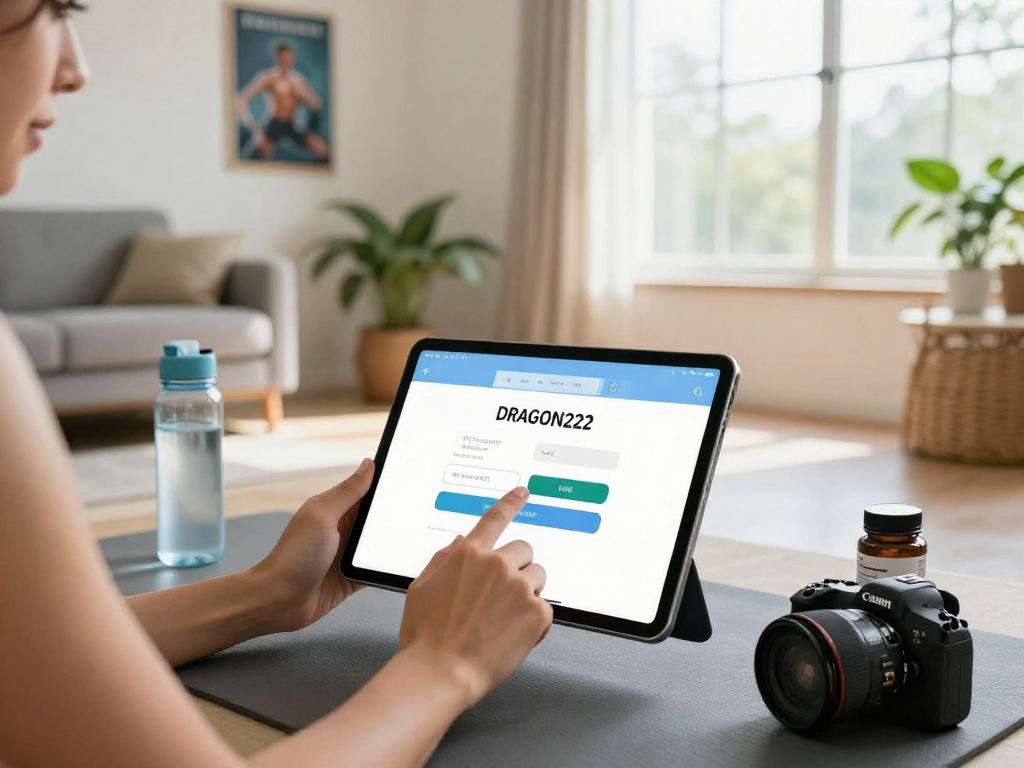
Understanding the Importance of Health Data Security
In our increasingly digital world, the security of health data has become paramount. With the rise of electronic health records (EHRs) and telehealth services, individuals' personal health information (PHI) is more accessible and more vulnerable than ever before. Protecting this sensitive data is not just a matter of compliance; it’s vital for maintaining trust between patients and healthcare providers. As we look ahead to 2026, understanding how to safeguard health data will be critical, particularly in light of evolving technologies and growing cyber threats. For more information on innovative solutions, consider exploring login DRAGON222, which enhances security protocols.
What is Health Data Security?
Health data security refers to the measures and protocols in place to protect personal health information from unauthorized access, use, or disclosure. This encompasses a wide range of practices including data encryption, access controls, secure storage, and regular security audits. Ensuring health data security is essential for healthcare organizations to comply with regulations such as the Health Insurance Portability and Accountability Act (HIPAA) in the United States, which sets the standard for protecting sensitive patient information.
Common Threats to Health Data
The healthcare sector faces numerous security threats that can compromise health data integrity. Among these are:
- Malware Attacks: Malicious software can infiltrate systems to steal or corrupt data.
- Phishing Scams: Cybercriminals employ deceptive tactics to trick individuals into providing their login credentials.
- Ransomware: This type of malware encrypts files and demands a ransom for their release, often affecting hospital operations significantly.
- Insider Threats: Current or former employees may misuse access to data for malicious purposes.
Impact of Data Breaches on Individuals
The repercussions of data breaches can be severe for individuals, leading to identity theft, financial loss, and emotional distress. When sensitive health data is exposed, victims may also experience challenges in their healthcare as they navigate the consequences of unauthorized access to their information. Furthermore, data breaches erode public trust in healthcare systems, making individuals hesitant to share their health information in the future.
How login DRAGON222 Enhances Security for Users
To combat the rising threats to health data security, innovative solutions like login DRAGON222 provide enhanced security features that protect users’ information. This multifaceted approach combines several modern security techniques to provide robust protection.
Multi-Factor Authentication Explained
Multi-Factor Authentication (MFA) is a security measure that requires users to provide two or more verification factors to gain access to their accounts. This could include something they know (a password), something they have (a smartphone), or something they are (biometric data). Implementing MFA greatly reduces the chances of unauthorized access, as even if a password is compromised, additional authentication layers must still be overcome.
Data Encryption Techniques Used
Encryption is a critical component of health data security. It involves encoding data in such a way that only authorized parties can access it. login DRAGON222 utilizes advanced encryption protocols to ensure that sensitive health information is unreadable to unauthorized users. This means that even if data is intercepted during transmission, it remains protected.
Regular Updates and Security Patches
To stay ahead of emerging threats, software must be regularly updated. login DRAGON222 ensures that its security protocols are up-to-date with the latest patches, helping to close vulnerabilities that could be exploited by cybercriminals. This proactive approach is essential for maintaining a secure environment for health data.
Best Practices for Maintaining Personal Health Security
While organizations play a critical role in health data security, individuals must also take steps to protect their information. Here are best practices that users can adopt to enhance their personal health security:
Creating Strong Passwords and Use of login DRAGON222
The foundation of online security begins with strong, unique passwords. Users should create passwords that combine upper and lowercase letters, numbers, and symbols. Additionally, employing tools like login DRAGON222 can provide guidance on developing secure passwords and managing them across different platforms.
Regular Monitoring of Health Data
Individuals should routinely monitor their health data and accounts for any suspicious activity. Many healthcare providers offer tools for patients to review their electronic health records; leveraging these tools can help detect unauthorized changes early.
Educating Users on Phishing Scams
Awareness is the first step in preventing phishing attacks. Users should familiarize themselves with common signs of phishing emails and calls, such as unexpected requests for personal information or suspicious links. Training and resources can empower individuals to recognize and report these threats effectively.
Real-World Examples: Success Stories with login DRAGON222
Understanding the practical implications of health data security solutions like login DRAGON222 is crucial for appreciating their value. Here are some real-world examples that illustrate its effectiveness:
Case Study 1: Preventing Unauthorized Access
In a recent scenario, a major healthcare provider implemented login DRAGON222, which successfully thwarted attempts by external hackers to access sensitive patient records. The combination of advanced authentication measures and real-time monitoring detected unusual login activities, allowing the IT team to respond before any data could be compromised.
Case Study 2: Enhancing User Trust
After integrating login DRAGON222 into their systems, a small clinic experienced a marked increase in patient registrations. Patients expressed greater confidence in the clinic's ability to protect their personal health data, contributing to an improved reputation and increased business.
Case Study 3: Real-Time Breach Alerts
Another healthcare organization reported that login DRAGON222’s real-time alert system enabled them to identify and contain a potential data breach within minutes. By notifying the security team immediately, they were able to initiate contingency protocols to protect patient information swiftly.
Future Trends in Health Data Security for 2026
As we progress towards 2026, several trends are expected to shape the landscape of health data security:
Emerging Technologies in Data Protection
Innovative technologies such as blockchain are increasingly being integrated into health data security frameworks. Blockchain’s decentralized nature provides an additional layer of security that makes it difficult for unauthorized parties to access data.
Predictions for User Adoption of Security Features
As cybersecurity threats grow, more users will likely prioritize security features in their health applications. Tools like login DRAGON222 may become standard as users seek out solutions that offer robust protections and foster trust.
Role of AI and Machine Learning in Security
Artificial intelligence and machine learning are poised to enhance data security significantly. These technologies can analyze patterns of behavior to identify anomalies indicative of security breaches, allowing for timely responses before damage occurs. This predictive capability will be invaluable in securing health data in real-time.
What is login DRAGON222?
login DRAGON222 is a comprehensive security solution designed to safeguard health data through advanced authentication, encryption, and monitoring features. By integrating multiple protective measures, it ensures that personal health information remains confidential and secure.
How can I improve my health data security?
Improving health data security involves adopting strong password practices, utilizing multi-factor authentication, regularly monitoring account activities, and staying informed about the latest security threats. Employing tools like login DRAGON222 can significantly enhance your security measures.
What should I do if I experience a data breach?
If you suspect a data breach has occurred, immediately change your passwords and alert your healthcare provider. Monitoring your accounts for unauthorized activity and considering credit protection services can help mitigate the effects of a data breach.
Are there any common mistakes to avoid with health apps?
Common mistakes include using weak passwords, neglecting software updates, and ignoring privacy settings. Users should ensure their apps are equipped with strong security features and take the time to understand their settings.
What technological advancements can we expect in health security?
Future advancements may include greater integration of biometric authentication methods, enhanced encryption protocols, and the use of artificial intelligence for predictive analytics in security responses. These innovations will continue to evolve alongside emerging threats, ensuring a robust defense against breaches.